
Marina Gorbis Thinks Ahead. Like, That’s Literally Her Job.
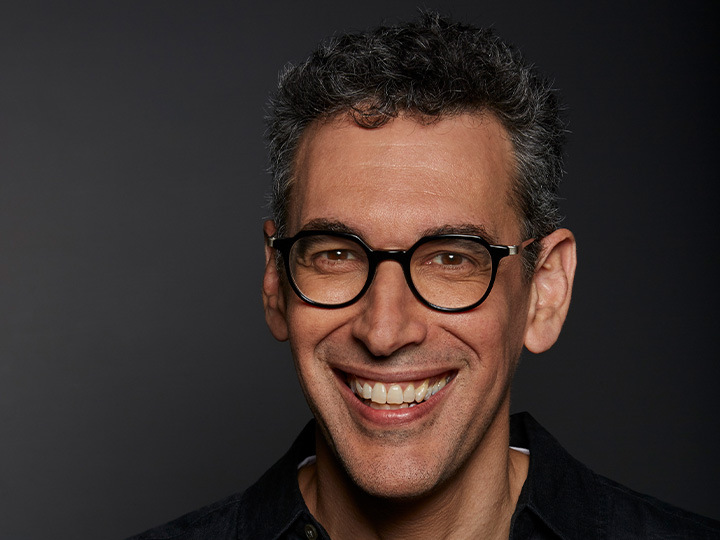
Steve Bodow
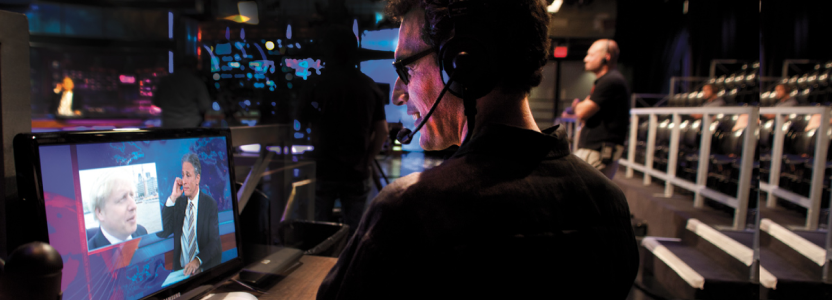
Reboot Board MemberSteve Bodow is a 14-time Emmy-winning American television writer and producer. Most recently he was Executive Producer and showrunner of Netflix’s Patriot Act with Hasan Minhaj. From 2015 to 2019 he was Executive Producer of The Daily Show with Trevor Noah, following his 13 years at The Daily Show with Jon Stewart as EP, Head Writer and staff writer. Steve is also a co-founder and a past artistic director of the New York theater group Elevator Repair Service, best known for Gatz, its full-text, 7-hour adaptation of The Great Gatsby.
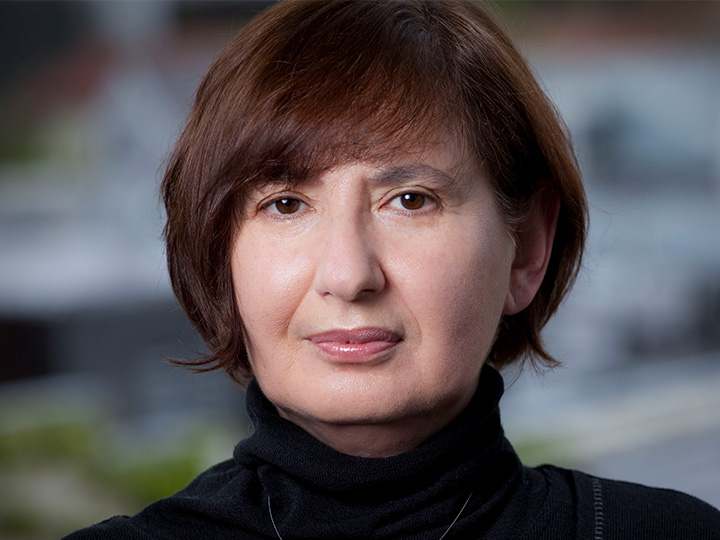
Marina Gorbis
Executive Director of the Institute for the FutureMarina Gorbis is Executive Director of the Institute for the Future (IFTF), a 50-year old non-profit research and consulting organization based in Silicon Valley. She has brought a futures perspective to hundreds of organizations in business, education, government, philanthropy, and civic society. Marina’s current research focuses on transformations in the world of work and new forms of value creation. She launched the Workable Futures Initiative at IFTF with the aim of developing a deeper understanding of new work patterns and to prototype a generation of Positive Platforms for work. She has introduced the concept of Universal Basic Assets (UBA) as a framework for thinking about different types of assets and the role they play in economic security. The UBA framework also highlights at a variety of approaches and tools we can use to achieve wider asset distribution and greater equity.